Goa is a dream destination—not for one thing, but for its diversity. Beaches and sands, picturesque towns, bohemian markets, and timeless Goan-Portuguese shrines all come together to create its unique personality.
Goa has its own unique charms—be it the colourful Latin quarters of Fontainhas with blooming bougainvillea, its sandy beaches, or drool-worthy Goan delicacies like sossé dora and pineapple sukku. With so many attractions, a first-time visitor can easily feel overwhelmed. From North and South Goa to Panjim and Old Goa, there is so much to see. To help you navigate it all, here is a brief itinerary to help you get the best out of Goa.
DAY 1: Sightseeing Panjim
Panjim is a lovely, bustling city on the banks of the Mandovi River. It is known for its beautiful churches, museums, European-style houses, and the colourful 18th June Street Market. This was our Day 1 itinerary in Goa.
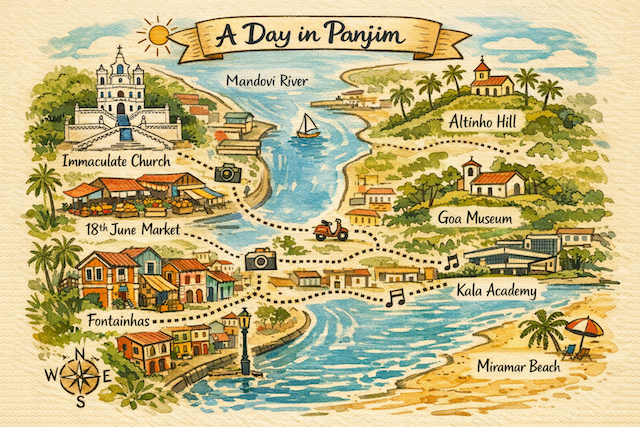
Our Lady of the Immaculate Conception Church
This 16th century church is beautiful and is perched atop a hill. It is famous for its zigzag stairs with the tourists. However we could see this church only from outside.
The church remained closed for tourists before Christmas. You can climb up the laterite stone steps, check out this ancient shrine and light a candle from outside.
The Garcia de Orta– the Panjim Municipal Garden is just outside. It has a beautiful stone pillar that is part of Goa’ history. In 1968, the day Goa was liberated from Portuguese rule, the bust of Vasoc de Gama from this pillar was replaced by Ashoka Chakra.
Just across this garden starts the June 18 market road where you can buy gift and sovereigns. Buy a hat you will need it.
Expect to spend a good 1 hour here.
Goa State Museum
Our next stop was at State museum. This was once the summer palace of Adil Shah, then became the old Secretariat and now it is a State museum. This is a must visit especially if you are keen to know about Goa history. It is all about Goan history & culture. There are inscription stones, sculptures, memorial stones -all from pre Portuguese era. The Portuguese period is represented through artefacts such as furniture, an old printing press from 1868, a silk flag depicting the capture of Goa, and ancient machinery like lottery machines.
Expect to spend a good 1 hour here.
Fontainhas (Latin Quarter)
You will love this place simply because it is like Alice the Wonderland. The tourists come here to check out its narrow winding lanes, colourful Portuguese-style homes, wrought-iron balconies, and blooming bougainvillea. BUT… you get so much more when you let yourself go in this street.
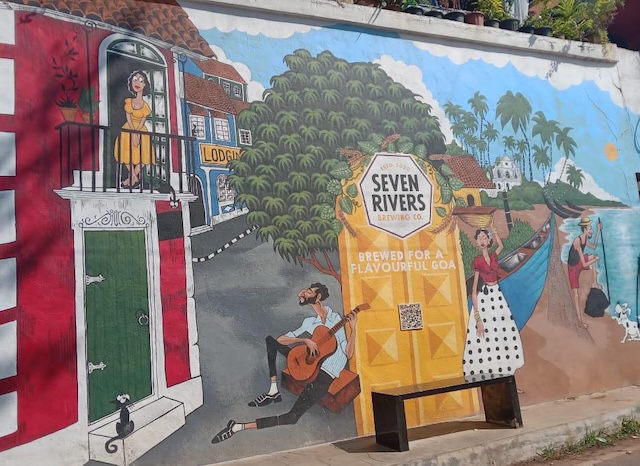
For example , travelling though a narrow colourful lane I hit on artwork on the walls; climbing a slight uphill lane led me to small colourful homes with too many pots and cats. A turn here led me to a charming book nook where a child was bragging to a few mesmerised tourists on how to use this space and what are his favourite kind of books.
A turn here and lo I hit upon Fundacao Oriente art gallery, a left there took me to No nasties outlet- housed in a Portuguese styled home, then quite nearby is the Mario Miranda gallery- a wonderfully fascinating place housing his art. There are chapels, ancient cafes and you will simply love this place.
Expect to spend a good 3 hours here.
Altinho Hill & viewpoints
If you would like to get panoramic views, check out the neighbourhood up Altino Hill then visit this spot. Right from Chief Minister’s home to Archbishop’s residence and government buildings there are some stately homes you can check out here.
Kala Academy
Kala Academy is Goa’s premier cultural institution and a striking example of modern architecture set along the Mandovi River. The Serendipity Art festival was happening here and so loved the exhibits and vibe here. Just across this academy is a seated here where you can watch the Mandovi River.
Miramar Beach
Ended the day of sightseeing at Mirmar beach watching the waves crash and doing sand castles. Miramar Beach is a serene, crescent-shaped beach located just a few minutes from Panjim, where the Mandovi River meets the Arabian Sea.Had a lovely ice cream and this finished our day 1 sightseeing of Panjim.
Mandovi river cruise
The Mandovi River cruise is a relaxing way to experience Goa beyond its beaches. Sailing along the river from Panjim, the cruise offers scenic views of riverbanks, bridges, and old Goan settlements. It takes typically an hour on cruise and is worth seeing the river meeting the sea, the sun set and the lights on the various casinos and city. The Goan song and lively dances in the cruise adds to the atmosphere.
Had a dinner at Mom’s kitchen- a beautiful place to have a good Goan dinner.
DAY2: Old Goa Sightseeing
Book an Old Goa walk for this. Some 40 minutes from Panjim, this is a UNESCO site. And has plenty of historic buildings including the Basilica of Bom Jesus, Se Cathedral etc.
An old Goa walk will brief you on a bit of Goa history, talk about Christianity. explain about Church architecture – this means you will known about pillars, columns, their faith and so on. The walk takes around 2.5 hours; generally starts at Victorian arch and ends at Basilica of Bom Jesus.
After the walk you can check out the State Archaleogy museum which is huge, two floors high and is very detailed. The first floor for example gives details on all the governors and viceroys of Portuguese. Expect to spend a minimum of an hour here.
After a quick lunch – you can check out St Augustine ruins. It reminds you of a once-grand church, offering a glimpse into Old Goa’s decline.
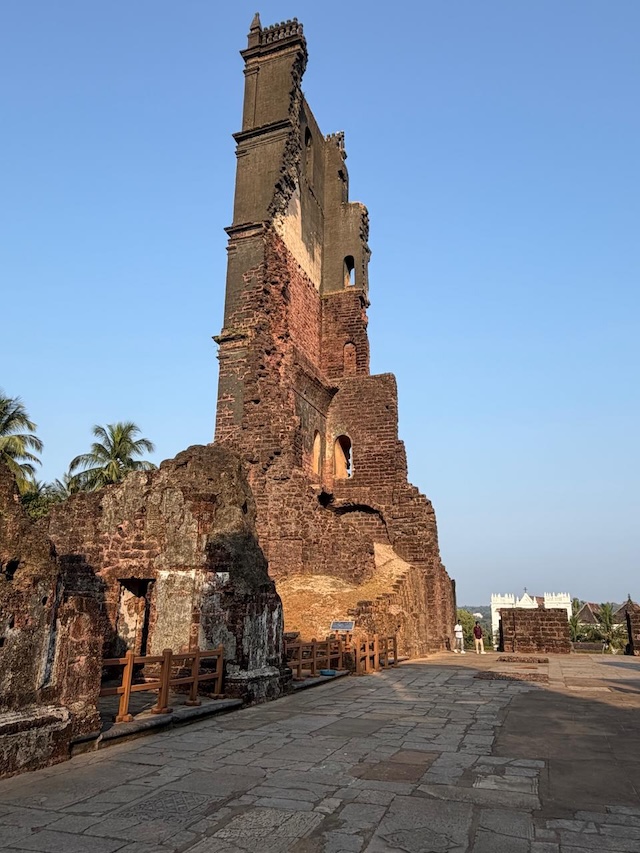
Don’t forget to see the Museum of Christian Art which showcases Indo-Portuguese art and artefacts. It closes by 4:30 pm in evening. Nearby is Church of Our Lady of the Rosary. Unlike the grand churches nearby, this church is very quiet and peaceful. A simple shrine,a small pulpit- use of laterite, Mangalore tiles and not many venture here. So it is sheer bliss if you are looking for some silence.
DAY 3: North Goa Sightseeing
The focus here was on beaches, forts and water sports. The list of beaches in North Goa is endless- Calangute Beach, Baga Beach, Candolim Beach,Anjuna Beach,Vagator Beach,Morjim Beach (Olive Ridley turtle nesting site),Mandrem & Ashwem Beaches (quieter stretches). And forts too -Chapora Fort, Aguada Fort & Lighthouse, Reis Magos Fort. Then there are markets like Anjuna Flea Market, Mapusa Market etc. But based on our priority on water sports and forts this is what we did.
Reis Magos Fort and Church
The Reis Margos is an ancient fort very much part of Goa’s history. It started out as an armed outpost of Adil Shah dynasty in 1497, then turns into a fort in 1543. A church gets built and until independence the fort served as a prison too. It is now restored by a Reis Magos Heritage foundation. The church nearby is also an old one and sees very few tourists.
Aguada Fort & Lighthouse
Our next stop is the Aguada fort. It is a fort was built by Portuguese in 1612 to protect Goa from Dutch. The upper part of the fort lies atop Sinquerium Plateau. The fort wall running through offers a panarmoic view of Panjim and Mandovi river. A 1864 light house exists nearby which requires permission to enter. Nearby is Sequerium beach which is where you can book for Dolphin spotting.
The lower part of the fort is in Candolim beach. And this beach is where we headed for water sports like para sailing. The cost 1200 rs for one.
We had lunch at Candolim beach and then headed towards Chapora fort.
Chapora Fort & Vagator Beach
The Chapora river separates the Morjim beach from Vagator. This place has become famous due to the Chapora fort which featured prominently in Hindi films like Dil Chahata Hai. Many youngsters thirsting for reels come here, dance, pose etc.The fort is actually in ruins. But the place offers stunning vistas of river, sea and the inlands beneath. About the fort- it is a 18th century fort built by Goa’s viceroy to protect the place from Marathas and Bhosales of Sawantwadi. Later it became a garrison.
Near the Chapora fort is the Vagator beach with its red laterite cliffs. Vagator beach is known for its cliff-top views and photography . A very dramatic beach due to the presence of the cliffs, it shows a different view of Goa.
Morjim Beach
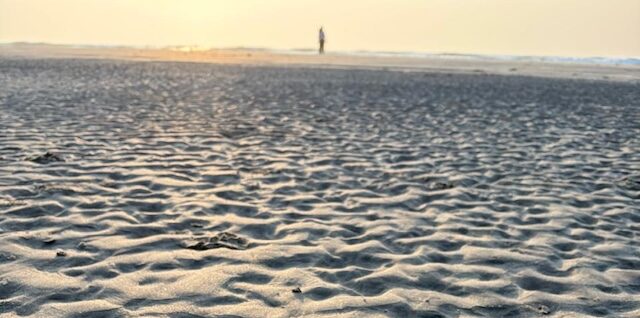
We went to sight Olive Ridley turtles in this beach. But even in December they had not started their nesting. The locals mentioned that it would be another month when they could be seen.
Nevertheless this beach is beautiful with its low sea bed, waters of the waves slow down here creating puddles everywhere. I could see dead jellyfishes washed to shore-which was a pity.
DAY 4: South Goa sightseeing
This day was dedicated to Scuba diving. So we headed out to Vasco de Gama. The initial plan was to do Dudh sagar and spice plantations. But this plan was ditched as we had to to do a long drive the next day. So we stuck to water sports this day too.
Vasco de Gama
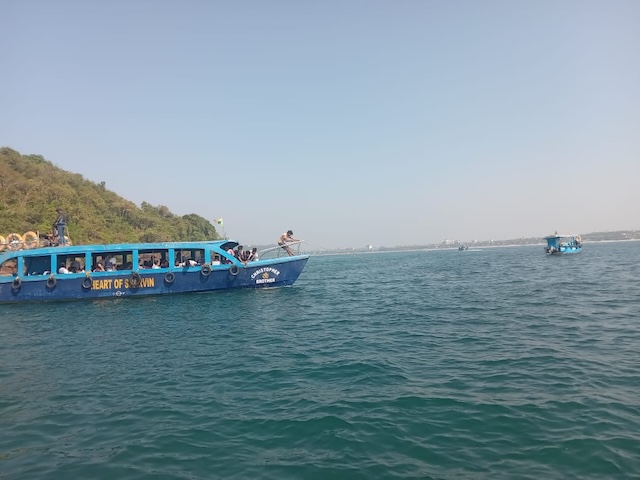
We headed to Baina Beach – a small, scenic beach located near Vasco de Gama in South Goa, close to the port and ferry area.Here we had already booked the Scuba driving activity and we headed out. The boat took us to an island closely for scuba diving. An instructor explained to us the basics, made us comfortable and then it was 2-3 minute under water dive. A 1 minute video was included in the package and so what with hello, hi,getting comfortable with the swim gears and touching the corals, seeing fishes -the day went by. After lunch we headed out to Naval museum– the only one of its kind at Vasco de Gama city. Spread over a spacious area near the Dabolim Airport, it showcases aircraft, helicopters, and naval equipment used by the Indian Navy.
Cabo de Rama Fort
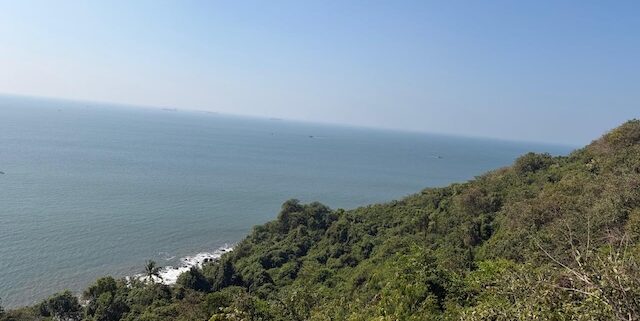
Cabo de Rama Fort is a historic fort perched on a cliff overlooking the Arabian Sea in South Goa. Believed to have been built by the Hindu rulers and later fortified by the Portuguese, it offers stunning panoramic views of the coastline and surrounding beaches. The fort’s old ramparts, cannons, and crumbling walls create a sense of history and adventure.
You can check out Pebble bay from here and also Cabo de Rama Beach. Surrounded by cliffs and greenery, it offers golden sands, gentle waves, and a peaceful atmosphere.
Goa Temples- Half A Day Sightseeing
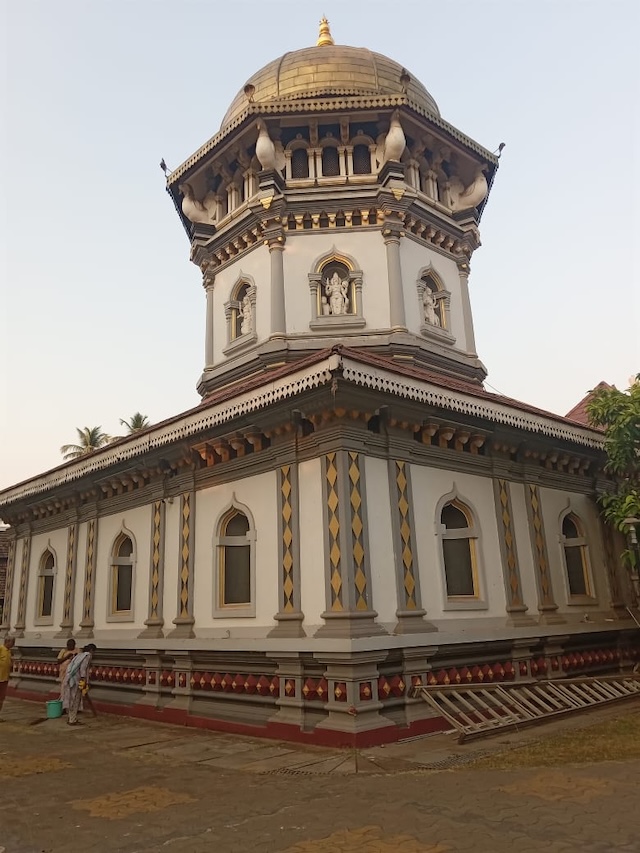
Ponda is often called the “Temple Town of Goa. The 2 temples that we saw here were
Shri Mangueshi Temple – Dedicated to Lord Shiva, this is one of Goa’s largest and most visited temples, known for its beautiful white architecture, ornate wooden ceilings, and peaceful surroundings.
Shri Mahalaxmi Temple – Dedicated to Goddess Mahalaxmi, popular for its vibrant festivals and spiritual atmosphere.
Tambdi Surla Temple is a small yet remarkable 11th–12th century Shiva temple located in the forested region of Goa, near the Mollem National Park. Built in the Kadamba style of architecture, it is one of the few surviving pre-Portuguese temples in the state.
This ended our 4 and a half day sightseeing of Goa.
The Salim Ali Bird sanctuary was closed. Hence did not add that in our Goa trip. On hindsight should have added Divar Island. But missed it. It is in our next time Goa visit!
Leave a Reply