What do we know about the rich Indian rice varieties? After all market today is flooded today with hybrids. Let us find out in this post.
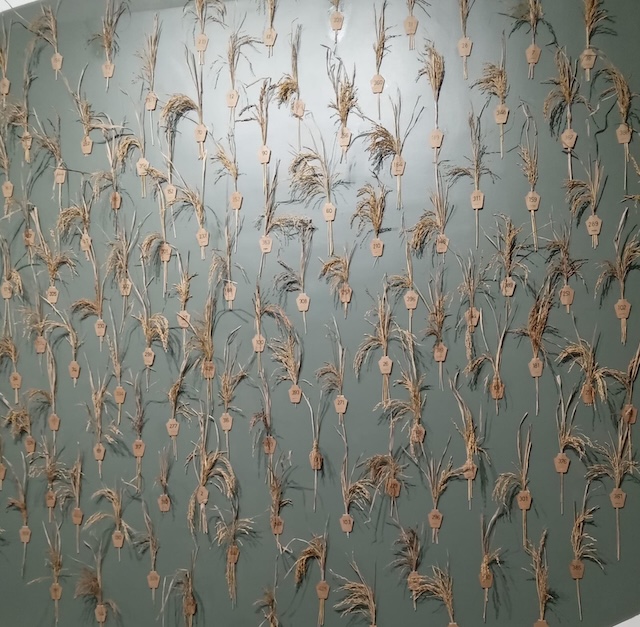
“350 varieties of indigenous rice varieties sourced from Western Ghats” says the guide with pride , at the Science Gallery Bangalore. She is talking about the local varieties of rice in the country. India once boasted of 2 lakh varieties of rice , out of which more than 90% is lost today, thanks to various factors.
The Green Revolution marked a major shift in India’s agriculture. During this time, new high-yield hybrid rice varieties were introduced, promising greater production and resistance to diseases. With strong government support, these modern varieties quickly replaced traditional ones — and, in the process, much of the ancient wisdom of cultivating indigenous rice was gradually lost.
Today we are going back to the traditions. The reasons are plenty. One is that these indigenous varieties are nutrition dense. Take Rajamudi rice from the state of Karnataka. High in antioxidants, iron, and fiber; low glycemic index — great for diabetics and heart health. So back to the old it is.
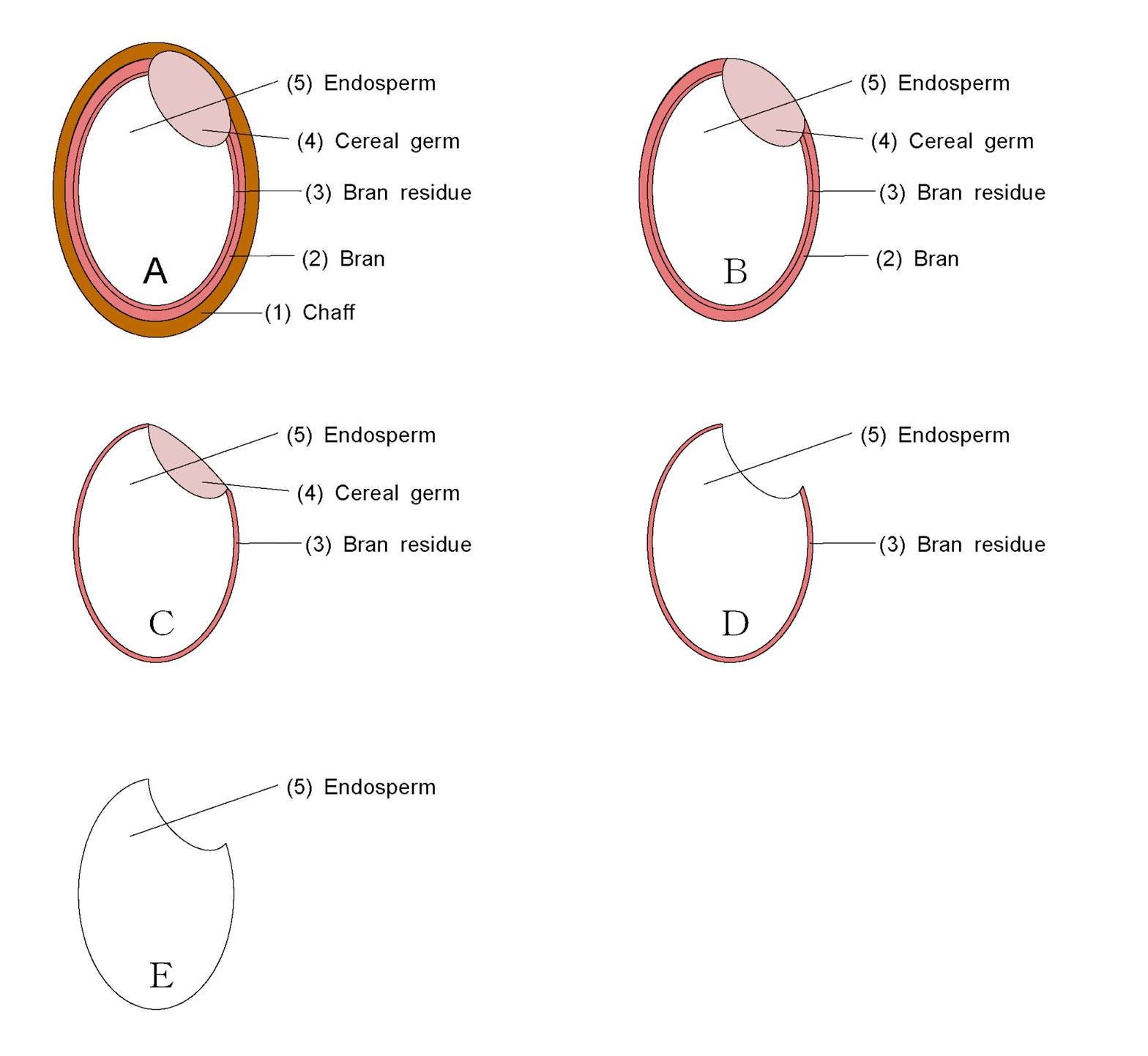
The polished rice is still healthy with carbs, proteins being present but with the barn gone- its micronutrients are lost. So this means gone are the iron, zinc and Vitamins like A and B.
Not just this; there is more. The black rice of Assam is known for its anti cancer properties. Varities like Navara have high content of iron and can be for anaemic women so on and so forth….
India is rich that way. It has a rich diverse varieties and each State adds its own contribution like Rajamudi from Karnataka or the Mapillai Samba from Tamil Nadu; the northeast zone itself has around 9650 varieties. Kerala boasts about 3000 varieties. Some are grown for their taste and flavour alone, like the Basmati varieties and some like Ambemohar rice (Maharashtra) — that has the fresh mango-blossom fragrance or the highly aromatic Gobindobhog rice from West Bengal.
Some rice varieties are inherently linked to festivities and culture.
For example Mapillai Samba is a type of rice grown in the Samba season (August–January).Tradition says that in ancient Tamil villages, a groom (mapillai) had to prove his strength before marriage — often by lifting a heavy rock or performing feats of endurance. To help him gain strength and stamina, elders would feed him this nutrient-rich red rice — hence the name “Mapillai Samba.”
Or take the Rajamudi- which means “the king’s crown” — or symbolically, the rice once meant for kings.
Rajamudi was once grown exclusively for the Wodeyar kings of Mysore.Farmers used to offer this rice as a form of tax or tribute to the royal family. Common people rarely ate it — it was considered a royal grain, reserved for elite tables.
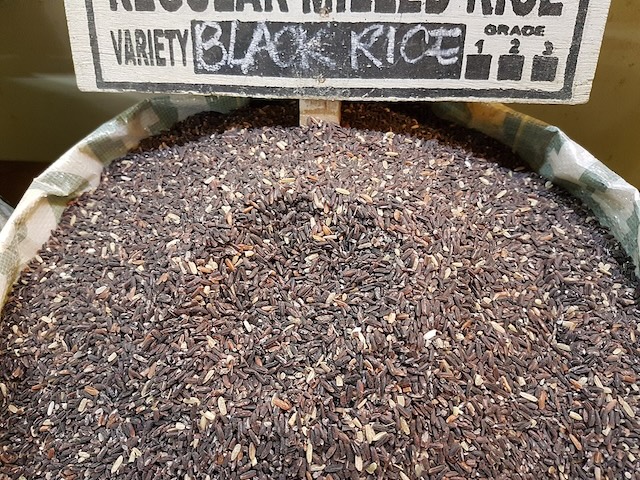
This is a black rice variety from Philippines. Southeast Asia that includes countries like India’s eastern neighbours, Myanmar, Thailand, Vietnam, Cambodia, Laos, Indonesia, the Philippines, and Malaysia — is one of the largest rice-producing regions on Earth. World’s top rice producers include China, India, Indonesia, Bangladesh, Vietnam, and Thailand — all part of South or Southeast Asia.
In many of these areas be it Bangladesh ,China local varieties have been replaced with modern hybrid varieties. In India , the 70’s saw the introduction of hybrid seeds, fertilisers and pesticides to solve the food security facing the nation. The result was that food security issues resolved and native varieties were forgotten.
But here is the irony. With the rich diversity of Indian rice varieties, there was an answer to our crisis. There are rice varieties that are saline resistant, drought resistant, flood resistant and so on. For example in Central India farmers talked about rice varieties that did not require much irrigation. The Sacon website lists some 77 varieties in Maharastra out of which 23 are disease resistant, 19 are pest resistant and 6 are medicinal.
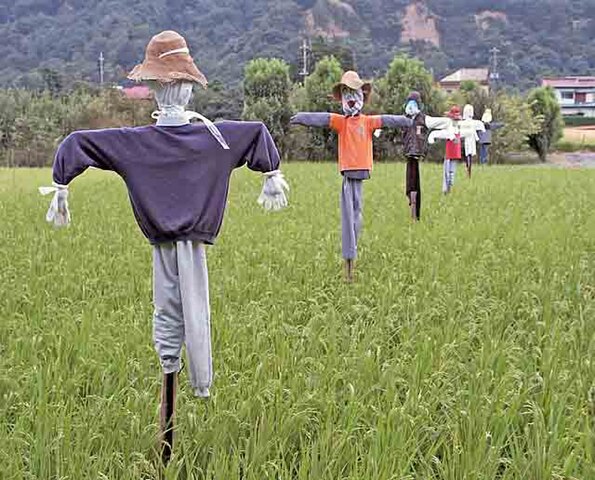
Another fascinating thing to note with some of these varieties is the way they are cultivated. In some places paddy is cultivated in saline waters like the Kole wetlands that are below sea level. In few areas of Thrissur ,Kerala paddy cultivation is alternated with prawn cultivation! The pokkali paddy is one such variety.
Where did this indigenous knowledge disappear?
Without this knowledge bank, farmers continue to be dependent on seeds from government. Not all hybrid rice varieties are adaptive. Some require heavy irrigation and dependence of chemicals.
Instead we are relying on fortifications, GM crops and so on instead of relying in our ancient wisdom.
But not all is lost . Several agencies have come forward to take the baton. State Seed Testing Laboratories and agencies, National Seed Research & Coordination,Community Seed Banks & Farmer Initiatives protect heirloom and indigenous seed diversity, and train farmers in seed saving and exchange. For example the Central Rice Research Institute (CRRI) in Cuttak, Odisha has collected 30,000 indigenous varieties and is preserving them.
What do you think?