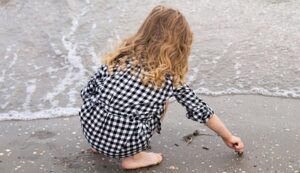
Does education happen only behind closed doors? Can our learning outcomes be measured only through tests & quizzes not to mention yearly exams? Can learning be made fun and ever lasting? This post tries to answer this. And this is what our entire save heritage site is dedicated to as well.
What is Experiential Education?
Experiential education is a way of learning that goes beyond classrooms and textbooks. Instead of memorising dates or names, children engage directly with history, culture, and craft — through visits, storytelling, workshops, and hands-on activities. It’s learning through experience rather than only theory.
For parents, this means nurturing curiosity in everyday life: a museum visit, a conversation with a craftsperson, or even arranging dolls during Dasara can become powerful lessons.
Why is it Important?
- Deep Understanding – Children remember what they see, touch, and do much more than what they only read. Experiences create lasting impressions. A child who sees a historic cannon, listens to a freedom fighter’s story, or watches a weaver at work will remember the lesson far longer than rote learning could allow.
- Cultural Roots – It helps them connect with our intangible heritage (festivals, traditions, stories) and tangible heritage (monuments, crafts, objects).Experiential education nurtures a bond with both tangible heritage and intangible heritage . This connection builds cultural identity and respect for diversity.
- Confidence & Empathy – Meeting artisans, walking through old streets, or listening to war stories gives them a sense of respect for diverse lives and experiences.
- 21st Century Skills – Observation, problem-solving, creativity, storytelling — all are natural outcomes of experiential learning.
How Can Parents Encourage Experiential Education?
- Visit Museums & Exhibitions – A textile label exhibition, a doll show during Dasara, or a military history event on the Mysore Lancers makes NCERT chapters come alive. For example, exploring a museum display of textile labels opens a window into global trade and design choices of the 19th century, turning a NCERT lesson into something children can see and connect with
- Explore Crafts & Workshops – Meeting artisans or attending heritage workshops brings alive the human side of history. Watching wool spun into yarn or dolls crafted from clay conveys the continuity of skill and tradition.Meet Kuruba weavers working with wool, or attend a hands-on craft session to see skills passed down generations.
- Walk Through Monuments – A family visit to Mysore Palace or Hoysala temples helps children see the art, geometry, and stories carved in stone.
- Engage with Stories & Festivals – Festivals like Navaratri, Haifa Day, or local village fairs can be turned into living classrooms with stories of gods, communities, and soldiers.Celebrating festivals like Navaratri can itself become a heritage classroom — through Dasara doll arrangements, or retelling stories of the Ramayana with figurines, families engage in experiential learning at home.
- Encourage Documentation – Let children sketch, take photos, or write small notes — building their own heritage diaries.This practice reinforces observation and memory.
Role of Parents
In many families, mothers serve as the first educators of heritage — through arranging dolls at Dasara, cooking traditional foods, or narrating stories. By extending these roles into conscious experiential learning, parents help preserve traditions and pass them forward.
Tangible and Intangible Elements in Experiential Learning
- Tangible Heritage: Monuments, dolls, crafts, textiles, labels, weapons, coins.
- Intangible Heritage: Rituals, oral stories, songs, community knowledge, festivals.
When children experience both together, they understand that history is not just about “what happened,” but also about how people lived, created, and celebrated.
Both are essential to experiential education. One cannot be fully understood without the other — the craft gains meaning through the story, and the story gains weight when anchored in objects or places.
The Way Forward
Experiential education is not an alternative to classroom study; it is its natural complement. It allows children to see history not as distant or abstract, but as part of their living environment.
At Save Heritage, we believe that engaging children in experiential learning is one of the most meaningful ways to preserve heritage and shape the future. By making learning active, contextual, and rooted in both tangible and intangible traditions, we give the next generation a strong foundation of identity, respect, and curiosity.
Note: At the end of every post that has come out as a result of event visit, museum visits or travel , we list a small section called note to educators. This important section highlights how you can convert this fun visits into supplementary learning materials for your children. It will be most helpful for parents hoping to add value to their kids education and also for homeschoolers looking to bring in new themes.
A Call to Action
At Save Heritage, we believe experiential education is the bridge between heritage and the future. Start small:
- Plan a weekend heritage walk.
- Visit a local museum this weekend
- Take your child to a local exhibition.
- Turn festivals into storytelling sessions.
- Walk through a monument with your children and ask them what they notice
Every experience becomes a seed for deeper connection and lifelong learning.